-
Web Hosting 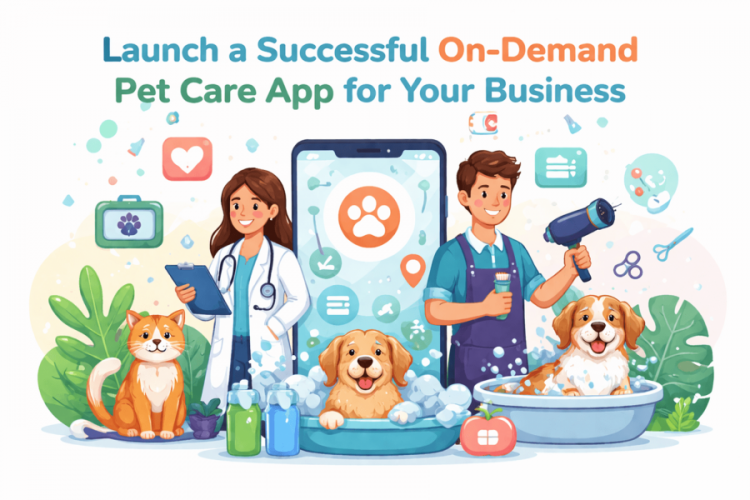
In recent years, the demand for on-demand pet care services has surged, driven by busy lifestyles and the increasing recognition of pets as beloved family members. Launching a successful on-demand pet care app presents a lucrative opportunity for entrepreneurs looking to tap into this growing market. However, with fierce competition and evolving consumer expectations, it is crucial to develop a comprehensive strategy that addresses user needs, incorporates essential features, and leverages effective marketing techniques. This article will guide you through the key components necessary for creating a thriving pet care app, from understanding market dynamics to ensuring customer satisfaction and implementing effective monetization strategies.
Understanding the On-Demand Pet Care Market
Current Trends in Pet Care Services
The pet care landscape has seen a surge in demand, with pet parents increasingly seeking convenience and quality. From dog walking to grooming, services are popping up like puppies at a playground. Health monitoring apps and wellness services are on the rise as well, reflecting a shift towards holistic pet care. In short, if you’re not moving with the tail-waggin’ trends, you might just be left barking up the wrong tree!
Target Audience Analysis
Who are you serving? Meet your target audience: busy pet owners who juggle work, life, and their furry companions. They crave flexibility and dependability, often turning to their phones for a quick fix. Millennials and Gen Z are particularly keen on tech-forward solutions, so if your app has that snazzy, user-friendly vibe, you’ll have them sitting up and begging for more. Understanding the needs and behaviors of your audience is crucial – after all, happy pets mean happy owners!
Competitive Landscape
The pet care app market is getting as crowded as a dog park on a sunny day, with established players and fresh startups vying for attention. To stand out, you’ll need to know your competition inside and out. Analyze their strengths and weaknesses, and find that golden niche that needs filling. Remember, if you want to fetch success, you’ve got to bring something unique to the table (or in this case, the app store).
Key Features of a Successful Pet Care App
User Registration and Profile Management
Your app should be as inviting as a cozy dog bed. A smooth user registration process is vital, letting users create profiles with ease. Think social media meets pet care – users should be able to upload pet photos, share bios, and maybe even brag about their pets’ latest tricks. Make it personal; after all, it’s all about building a community of pet lovers.
Service Listings and Booking System
A well-organized service listing is the heart of your app. Categorize services clearly – think dog walking, pet sitting, and grooming at a glance. A seamless booking system is a must; no one wants to grapple with a complicated calendar when they need a last-minute dog walker. Bonus points for allowing users to schedule recurring services. Convenience is the name of the game, so make booking as easy as pie… or should I say, as easy as giving a dog a treat?
Payment Processing and Pricing Models
A successful app needs a payment system that feels as secure as a pet in a well-fenced yard. Offer multiple payment options – credit cards, mobile wallets, and even subscriptions for regular services. Transparent pricing models will keep customers happy and prevent any “surprise” fees that could send them howling away. Clarity is key; let users know exactly what they’re paying for, and watch your customer loyalty grow.
In-App Communication and Support
Effective communication can make or break a pet care experience. Your app should have a built-in messaging feature for users to chat with service providers and customer support. Prompt responses and easy-to-find help will create a positive experience and build trust. Consider adding FAQs and video tutorials for extra support. After all, it’s essential to have a smooth operation – just like a well-trained pup!
Developing a User-Friendly Interface
Importance of UI/UX Design
When it comes to your app, a stellar UI/UX design is non-negotiable. A well-designed interface keeps users engaged and reduces bounce rates faster than you can say “fetch!” Focus on aesthetics and usability—your app should be as delightful to navigate as a sunny afternoon walk in the park. Remember, first impressions matter, so make your app as cute as a puppy in a bowtie!
Navigation and Accessibility Considerations
An app that feels like a maze is bound to leave users frustrated. Design your navigation to be intuitive and straightforward. Categorize features logically, use easily recognizable icons, and ensure users can find what they need in a snap. Accessibility is also key: ensure your app is easy to use for all customers, including those with disabilities. Everyone deserves to spend time with their furry friends, right?
Mobile Optimization and Responsiveness
With pet owners glued to their smartphones, you need a mobile-optimized app that works smoothly across all devices. Make sure it’s responsive – resizing, reformatting, and generally looking fab on screens of all sizes. Slow load times? Let’s just say, that’s as popular as a cat at a dog show. Ensure your app is snappy and ready to roll, no matter where users are.
Strategies for Effective Marketing and User Acquisition
Social Media Marketing Tactics
Get ready to unleash your creativity on social media! Platforms like Instagram and TikTok are purr-fect for showcasing adorable pet pics and success stories. Engage with your audience through contests, giveaways, and user-generated content. Collaborate with pet influencers who can help spread the word faster than a greyhound at a race. With a solid social media presence, you’ll be the talk of the pet town!
Search Engine Optimization (SEO) Strategies
Don’t underestimate the power of good ol’ SEO. Optimize your app’s website with relevant keywords that pet owners are searching for. Create valuable content like blog posts about pet care tips and tricks that can drive organic traffic. The goal is to rank high in search results, making it as effortless for users to find you as it is for a dog to sniff out a tasty treat.
Referral Programs and Incentives
Word of mouth is still one of the best marketing strategies around. Consider setting up a referral program that rewards users for spreading the word about your app. Think discounts, free services, or even cute branded merchandise. Create that sense of community where users feel encouraged to share the app with friends, and watch your user base grow like a well-tended garden (or a puppy’s enthusiasm for playtime).
Building Partnerships with Pet Care Professionals
Identifying Potential Partners
To build a successful on-demand pet care app, you'll need to scout out potential partners who are as passionate about pets as a golden retriever is about tennis balls. Look for local pet sitters, dog walkers, groomers, and veterinarians who have established reputations. Utilize social media platforms, pet care forums, and local community boards to identify these diamond-in-the-ruff professionals. Consider hosting a meet-and-greet event—after all, who can resist the charm of fur babies while discussing potential partnerships?
Establishing Trust and Credibility
Trust is the name of the game when it comes to pet care. You wouldn’t hand your cat over to a stranger with questionable hygiene habits, right? Establish credibility by checking certifications, gathering testimonials, and conducting interviews. Highlight your partners’ experience and skills prominently on your app. A little social proof goes a long way—consider featuring success stories from satisfied pet parents to instill confidence in your customers.
Training and Onboarding Process
Now that you’ve found your paw-some partners, it’s time to roll out the red carpet—or perhaps a cozy dog mat? Create an engaging onboarding program that covers your app’s policies, service standards, and customer interaction guidelines. Include practical training sessions, perhaps with some role-play (don't worry, no one has to bark!). Additionally, provide resources on handling different pet behaviors. A well-trained partner isn’t just safe; they’re also a happy one!
Ensuring Reliable and Safe Service Delivery
Background Checks for Pet Care Providers
Before you let anyone into your pet-loving family, it’s crucial to dig a little deeper. Conduct thorough background checks on all pet care providers. This may include criminal checks, reference checks, and even a peek into their social media profiles (after all, we all know how telling a pet-parent’s Instagram can be). It’s better to play it safe than sorry—your users’ furry friends deserve top-notch guardians.
Insurance and Liability Considerations
Let’s face it: accidents happen. A paw-sitive approach is ensuring you have the right insurance for your business and your pet care providers. Liability insurance is essential for covering any mishaps that could occur during service delivery. Make sure your partners understand the terms and have their own policies in place as well. It’s like a security blanket—one that keeps you and your pet-loving partners safe!
Emergency Procedures and Protocols
Even superheroes need a plan for when things go awry. Develop clear emergency procedures for your pet care providers, including how to handle injuries or medical emergencies. Have protocols in place for contacting veterinarians, pet parents, and even local animal control if necessary. Regularly review and practice these procedures so everyone is ready to spring into action like a cat chasing a laser pointer!
Managing Customer Feedback and Continuous Improvement
Collecting and Analyzing User Feedback
Feedback is like a dog’s wagging tail—an indicator that something good just happened! Encourage users to provide feedback through surveys, app store reviews, or even a simple “how did we do?” feature. Pay attention to both the bark and the bite of user comments. Analyzing this feedback will help you spot trends and areas that need sprucing up, ensuring you’re always moving in the right direction.
Implementing Changes Based on Feedback
Once you’ve got a treasure trove of feedback, it’s time to take action! Implement changes that address common pain points and enhance user experience. Whether it’s tweaking your app’s interface or offering new services, turning feedback into improvements shows users that you genuinely care about their needs (and their pets’ needs, too!).
Monitoring App Performance Metrics
Keep your app’s performance in tip-top shape with regular monitoring of key metrics. Track user engagement, service requests, retention rates, and even the number of cat memes shared through your app (okay, maybe not that one). Use this data to make informed decisions on future updates and features, ensuring your app isn’t just surviving but thriving in the competitive pet care market.
Monetization Strategies for Your Pet Care App
Subscription Models vs. Pay-Per-Service
As you step into the world of monetization, consider your options wisely. Subscription models can create a steady revenue stream, perfect for pet owners who want to pamper their pets regularly. On the flip side, pay-per-service options appeal to those who prefer flexibility—because sometimes, Fido needs a spa day and sometimes, he just needs a quick walk. Finding the right balance could be the key to a purr-fect revenue model.
In-App Advertising Opportunities
Don’t overlook the potential of in-app advertising! If you’re strategically aligning with pet brands—think treats, toys, and even those trendy pet outfits—you can create valuable partnerships. Just ensure the ads fit seamlessly into your app so they don’t become the online equivalent of a cat video on your business meeting Zoom call—distracting but ultimately welcome!
Partnerships and Affiliate Marketing
Affiliate marketing can be a fun way to boost your income while maintaining that pet-loving vibe. Collaborate with pet product companies or local pet service providers to promote their offerings through your app. In return, you’ll earn a commission on sales generated. It’s the perfect win-win: your users get access to great products, and you get a little extra pocket money for those inevitable treats (for you, of course!).In conclusion, launching a successful on-demand pet care app requires careful planning, a keen understanding of your target audience, and the implementation of essential features that enhance user experience. By focusing on strategic marketing, building solid partnerships, and maintaining a commitment to quality service, you can create a platform that not only meets the needs of pet owners but also stands out in a competitive market. As you embark on this journey, remember that continuous improvement and responsiveness to customer feedback are key to sustaining growth and achieving long-term success in the pet care industry.
Frequently Asked Questions
What are the essential features to include in an on-demand pet care app?
The essential features include user registration, service listings, booking and scheduling, payment processing, in-app communication between pet owners and service providers, and a review system for feedback.
How can I effectively market my pet care app?
Effective marketing strategies include utilizing social media platforms, implementing SEO techniques for better visibility, creating referral programs, and leveraging partnerships with pet care professionals and influencers.
What considerations should I keep in mind for safety and reliability?
Important considerations include conducting thorough background checks on pet care providers, ensuring adequate insurance coverage, and establishing clear emergency protocols to safeguard both pets and service providers.
How can I monetize my pet care app?
Monetization strategies can include subscription models, pay-per-service fees, in-app advertising, and partnerships with pet-related businesses for affiliate marketing opportunities.

Related Articles